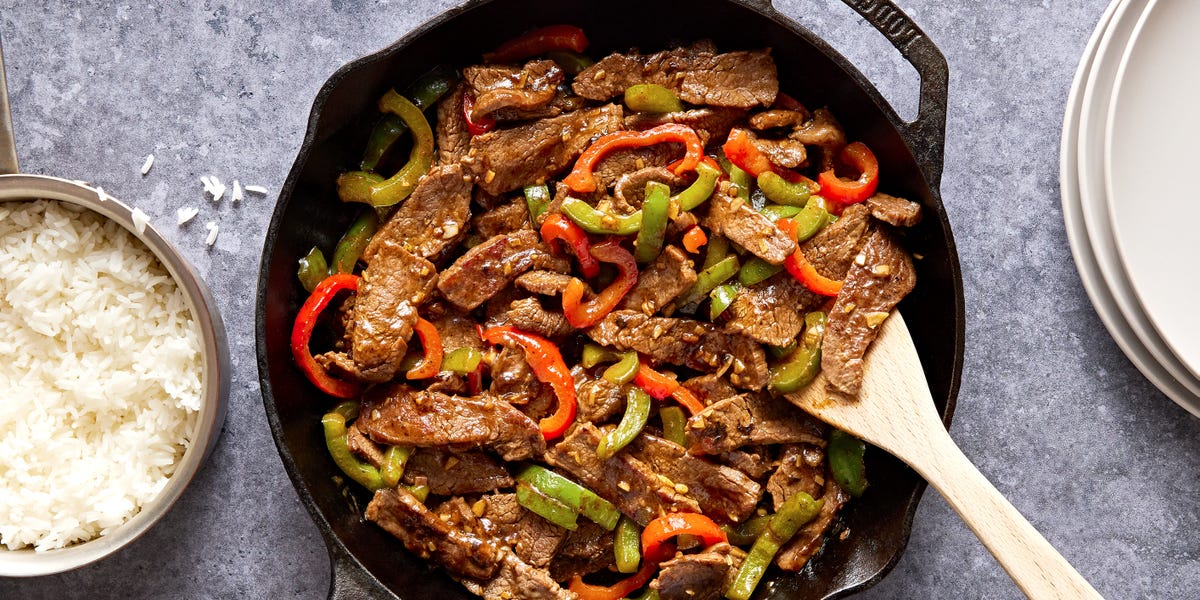
There are few dishes that capture the essence of comfort, flavor, and satisfying simplicity quite like pepper steak. This beloved classic, a cornerstone of Asian-inspired cuisine, brings together succulent slices of beef, vibrant bell peppers, and sweet onions, all bathed in a rich, umami-packed sauce. It’s the kind of meal that makes a busy weeknight feel like a special occasion, offering a delightful takeout experience right in your own kitchen.
For many, pepper steak holds a nostalgic charm, reminiscent of family dinners or favorite restaurant meals. But what truly elevates a good pepper steak to an unforgettable one? The secret lies in a masterful balance: achieving incredibly tender beef, ensuring the vegetables retain their perfect crisp-tender bite, and, most crucially, crafting a deeply flavorful, umami-rich sauce that ties every ingredient together. Forget complicated techniques; with a few key insights, you can unlock the magic of perfect pepper steak.
The Umami Blueprint: Crafting the Perfect Pepper Steak Sauce
The heart and soul of any exceptional pepper steak lies undeniably in its sauce. It's not just a coating; it's the very foundation of the dish's flavor profile, transforming simple ingredients into a symphony of taste. The secret to that irresistible depth often comes down to a potent combination of ingredients that create a robust umami experience – that savory, satisfying fifth taste that keeps you coming back for more.
The classic trifecta often includes:
- Soy Sauce: This staple brings its characteristic salty, savory depth, providing the primary liquid base and a fundamental layer of umami. Opt for a good quality soy sauce for the best flavor.
- Oyster Sauce: A true game-changer, oyster sauce contributes a unique sweet, savory, and subtly briny flavor. It's incredibly rich and acts as a fantastic thickener, giving the sauce a luxurious sheen and body. Don't let the name deter you; it doesn't taste overtly "fishy" but rather adds a profound depth.
- Brown Sugar (or Honey): A touch of sweetness is crucial for balance. Brown sugar provides a molasses-rich sweetness and aids in caramelization, enhancing the overall savory notes. Some recipes, like "Maria's Pepper Steak," might use honey, which offers a slightly different, more floral sweetness and a glossy finish.
Beyond the Basics: Enhancing Your Sauce
While the core ingredients are powerful, you can elevate your sauce further. Consider these additions:
- Aromatics: A hint of fresh grated ginger and minced garlic, sautéed briefly before the sauce is added, will infuse it with aromatic warmth.
- Cornstarch Slurry: To achieve that perfect, glossy, clingy texture often found in restaurant stir-fries, a simple slurry of cornstarch and water (or broth) whisked into the simmering sauce at the end is essential. It thickens the sauce beautifully without making it gluey.
- Sesame Oil: A tiny drizzle of toasted sesame oil right at the very end adds a wonderfully nutty aroma and deepens the overall Asian-inspired flavor.
- Rice Vinegar: While not always present, a small splash of rice vinegar can add a bright, tangy counterpoint to the richness, preventing the sauce from becoming too heavy.
Experiment with these components to find your perfect balance. The goal is a sauce that is bold and savory with a hint of sweetness, thick enough to coat every piece of beef and vegetable without being cloying.
Achieving Melt-in-Your-Mouth Beef: The Key to Tender Pepper Steak
The phrase "tender beef" isn't just a wish; it's a non-negotiable requirement for an exceptional pepper steak. No one enjoys wrestling with tough, chewy meat. The good news is, achieving that desired tenderness is remarkably simple with a few key techniques.
Selecting the Right Cut
While various cuts can work, some are inherently better suited for stir-frying due to their marbling and muscle structure. Excellent choices include:
- Flank Steak: A lean cut with a distinctive grain, flank steak is a top contender. When cooked properly, it's incredibly flavorful and tender.
- Skirt Steak: Similar to flank, skirt steak is known for its rich beefy flavor. It’s a bit fattier, which can contribute to tenderness.
- Flap Steak: Often overlooked, flap steak is tender and absorbs marinades beautifully, making it another excellent option for stir-fries.
Regardless of the cut you choose, the preparation is paramount.
The Art of Slicing Across the Grain
This is perhaps the most critical step for tenderness. Meat fibers run in a particular direction – this is the "grain." If you slice parallel to the grain, you end up with long, tough strands. Slicing across the grain shortens these fibers, making the meat much easier to chew and giving it that melt-in-your-mouth quality.
Pro Tip: Partially freezing your beef for 20-30 minutes before slicing can make it much easier to cut very thin, even strips, which is ideal for quick stir-frying.
Velveting: The Ultimate Secret for Stir-Fry Beef
While not explicitly mentioned in all basic recipes, the technique of "velveting" beef is a cornerstone of authentic Chinese stir-fries and is perhaps the most impactful way to guarantee tender beef. It involves coating thin slices of beef in a mixture before cooking. A typical velveting marinade includes:
- Cornstarch: Creates a protective barrier that locks in moisture and keeps the beef tender during high-heat cooking.
- Baking Soda (a pinch): This humble ingredient is a powerful meat tenderizer. It raises the pH of the meat, breaking down muscle fibers. Use sparingly, as too much can impart a metallic taste.
- Soy Sauce/Rice Wine: Adds flavor and additional moisture.
- Oil: Helps to separate the meat pieces and ensures even cooking.
After marinating for just 15-30 minutes, the beef is typically quickly blanched or stir-fried until barely cooked, then set aside, and added back to the pan at the very end. This process ensures the beef remains incredibly tender and juicy.
The Crisp-Tender Medley: Bell Peppers and Onions
Beyond the beef and the sauce, the vibrant vegetables play a crucial role in the symphony of textures and flavors that define perfect pepper steak. Bell peppers and onions are the classic duo, bringing color, sweetness, and a delightful crisp-tender bite that contrasts beautifully with the tender beef.
Bell Peppers: A Burst of Color and Flavor
Bell peppers are not just for show; they offer a subtle sweetness and a refreshing crunch. While green bell peppers are traditional and provide a slightly more bitter, earthy note, don't hesitate to use a medley of colors:
- Red Bell Peppers: Sweeter and fruitier than green.
- Yellow Bell Peppers: Mild and sweet.
- Orange Bell Peppers: Sweet and vibrant.
Using a mix not only makes your dish visually appealing but also adds layers of subtly different flavors. The key, as the reference suggests, is to cut them into roughly one-inch pieces. This ensures they cook quickly to the perfect doneness – not too snappy, but definitely not mushy. They should still have a slight resistance when you bite into them, providing that satisfying texture contrast.
Onions: The Aromatic Foundation
Onions, typically yellow or white, are an indispensable component. When sautéed, they become wonderfully sweet and translucent, complementing the savory beef and sweet peppers. Cut them into similar-sized wedges or thick slices as the bell peppers so they cook evenly.
The Garlic Factor
While the primary vegetables are bell peppers and onions, never underestimate the power of garlic. Minced garlic, added to the hot oil for just 30 seconds before the vegetables go in, infuses the entire dish with an aromatic foundation that elevates all other flavors.
Sautéing for Perfection
The trick to perfectly cooked vegetables in a stir-fry is high heat and quick cooking. You want to cook them just until they are crisp-tender – still vibrant and retaining some of their raw snap. Overcooking will lead to soggy, dull vegetables that detract from the dish. Sautéing them for 3-4 minutes, as suggested, is often the ideal timeframe. It's also a good practice to sauté the vegetables separately and remove them from the pan before cooking the beef. This prevents overcrowding, allows the beef to sear properly, and ensures the vegetables don't overcook while the beef finishes.
Bringing It All Together: Pro Tips for Your Best Pepper Steak
Now that we've covered the individual components, let's look at how to orchestrate them into a seamless, delicious pepper steak experience. These tips will help you achieve restaurant-quality results every time.
High Heat is Your Friend (and Foe if Mismanaged)
Stir-frying relies on high heat. This allows the beef to sear quickly, locking in juices, and the vegetables to cook rapidly while maintaining their crispness. Ensure your wok or large skillet is piping hot before adding ingredients. Don't be afraid of a little smoke, but also ensure you have proper ventilation.
Don't Overcrowd the Pan
This is a common mistake. Adding too many ingredients to the pan at once lowers the temperature drastically, causing everything to steam rather than sear or stir-fry. This leads to tough beef and soggy vegetables. Cook in batches if necessary, especially for the beef. Sauté the vegetables, remove them, then cook the beef, then return the vegetables to combine.
The Perfect Order of Operations
- Prep Everything First: "Mise en place" is crucial for stir-fries. Have your beef sliced and marinated, vegetables chopped, and sauce whisked and ready to go before you even turn on the stove.
- Sauté Aromatics: Briefly cook garlic (and ginger, if using) in hot oil until fragrant (about 30 seconds).
- Cook Vegetables: Add bell peppers and onions to high heat, stir-fry until crisp-tender (3-4 minutes). Remove from pan and set aside.
- Sear Beef: Increase heat if necessary. Add marinated beef in a single layer (in batches if needed). Cook quickly until browned and just cooked through (2-3 minutes per side, depending on thickness). Remove and set aside with vegetables.
- Build the Sauce: With the pan still hot, pour in your prepared sauce mixture. Bring to a simmer, stirring constantly, until it begins to thicken. If using a cornstarch slurry, add it now and stir until the sauce reaches your desired consistency.
- Combine: Return the cooked beef and vegetables to the pan, tossing to coat everything evenly in the luscious sauce. Cook for just another minute or two to heat through and allow flavors to meld.
Serving Suggestions and Customization
Classic pepper steak is often served over a bed of fluffy white rice, which soaks up the extra sauce beautifully. Other delicious options include:
- Noodles: Egg noodles or rice noodles make for a heartier meal.
- Low-Carb Options: Cauliflower rice, quinoa, or even simply enjoying it on its own.
Don't be afraid to customize! Add a pinch of chili flakes for heat, throw in some snap peas or sliced mushrooms for extra vegetables, or even a sprinkle of toasted sesame seeds for garnish. This dish is incredibly versatile, making it a fantastic 30-minute weeknight dinner solution that caters to various tastes.
The secret to perfect pepper steak truly lies in understanding the interplay of these elements: the depth of an umami-rich sauce, the silkiness of perfectly tender beef, and the vibrant crunch of crisp-tender vegetables. By mastering these components and following a few simple techniques, you can transform your home cooking into a memorable culinary experience, bringing the savory, comforting flavors of this classic dish to your table with confidence and flair.
